



DOJ releases additional Epstein files on December 19, says more to come
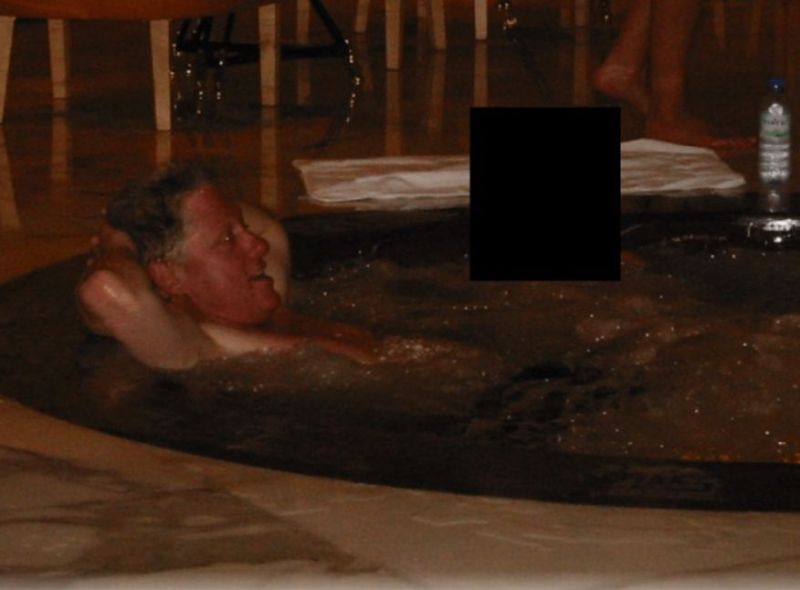
(Bill Clinton in a hot tub — Undated photo of former President Bill Clinton in a hot tub, featured prominently by multiple outlets as one of the most striking images in the 12/19/2025 release. Image credit: DOJ)
The U.S. Department of Justice (DoJ) on Friday, December 19, posted a substantial trove of previously unreleased files connected to the late financier and convicted sex offender Jeffrey Epstein as part of a congressionally mandated disclosure — but acknowledged it will not meet the statutory deadline this week to publish all materials and will release more in the coming weeks, sparking bipartisan criticism and renewed outrage from survivors and lawmakers.
Why the Files Came Out Yesterday
The release was driven by the Epstein Files Transparency Act, a bipartisan law that Congress passed in November and President Donald Trump signed on November 19, 2025 — requiring the Justice Department to make publicly available all unclassified records, documents, communications and investigative materials related to Epstein, his associates and government investigations within 30 days.
Deputy Attorney General Todd Blanche said the materials released Friday represent an initial batch, but the department still must process hundreds of thousands of pages of sensitive files — including redactions to protect victims, ongoing cases and national security matters — and additional documents will be posted “on a rolling basis,” according to the Department of Justice.
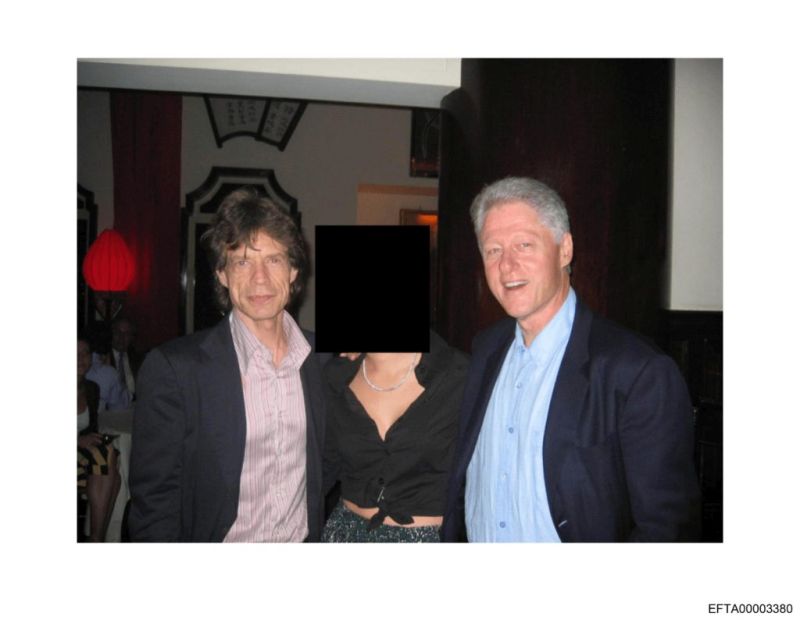
Disclaimer: Regarding the images released yesterday, it’s important to note that – just like most of the files recently released by the Epstein Estate – many of the photos are heavily redacted or lack context such as date, place, or explanation. Also, appearances in these photos are not meant to imply wrongdoing by the individuals shown.
What Kinds of Files Were Released
According to the Justice Department’s online Epstein Library and multiple media summaries:
- Thousands of pages of documents drawn from FBI and DOJ investigative files spanning decades, according to the DOJ.
- Photographs of Epstein and associates, including previously unreleased images featuring high-profile figures, according to People.
- Court records, call logs, interview transcripts and grand jury testimony — in many cases with heavy redactions, according to The Business Insider.
- Materials from probes of Epstein’s 2019 death in federal custody and earlier investigations stretching back to the 1990s, according to AP News.
~
What’s in the Files — And What’s Not
Included:
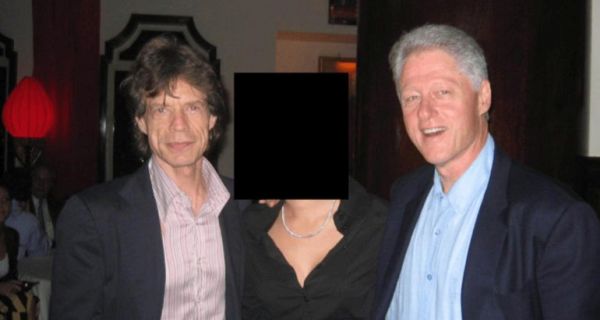
- Photos with high-profile figures: Newly released images show Epstein and Ghislaine Maxwell with prominent individuals, including former President Bill Clinton in social settings, according to The Economic Times.
- Victim and witness information: The DOJ confirmed identifying more than 1,200 victims or victims’ family members, forcing redactions of names and personal data to protect privacy, according to The Democracy Docket.
- Documentary evidence of investigations: Early FBI complaints, interview notes and investigative memoranda were included, though often obscured.
Excluded or Minimal:
- Extensive redactions: Several hundred pages (including grand jury testimony) were fully blacked out, drawing sharp criticism.
- Sparse references to Donald Trump: Despite long public speculation, the released files contain minimal mention of Trump, featuring only a few peripheral items such as flight manifest entries already disclosed.
- No full, un-redacted client or “blackmail” list: To date, there’s no comprehensive list of alleged accomplices, clients or named conspirators in the public files, further frustrating survivors and transparency advocates.
Bloomberg News and The Independent along with other news outlets and congressional sources said that:
- During a March review of the Epstein documents, roughly 1,000 FBI agents were instructed to “flag” any records that mentioned Trump as part of the process of preparing the files for possible release.
- Names, including Trump’s and those of other public figures, were identified and later redacted by a FOIA review team in advance of potential disclosure.
- The redactions reportedly used legal exemptions — such as protecting personal privacy — to justify withholding Trump’s name despite his appearance in the records.
ABC News reported Deputy Attorney General Todd Blanche as saying that there was “no effort” to redact mentions of Donald Trump. He denied that DOJ personnel were instructed to hold back or redact documents just because Trump’s name appeared. He framed the redaction process as a legal compliance procedure — not one targeted at particular individuals — and emphasized that they are following the law regarding redactions for privacy and legal protection
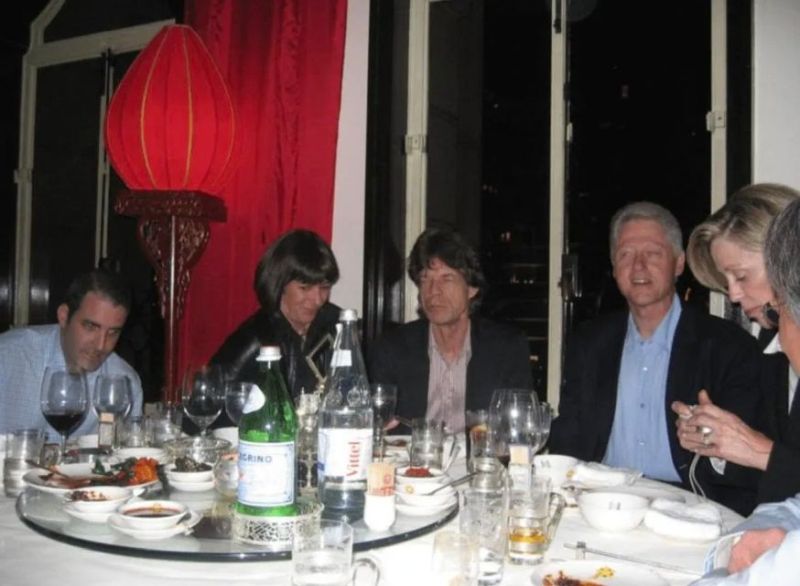
Bill Clinton with Mick Jagger – Photos undated and released without context. Image credit: DOJ
~
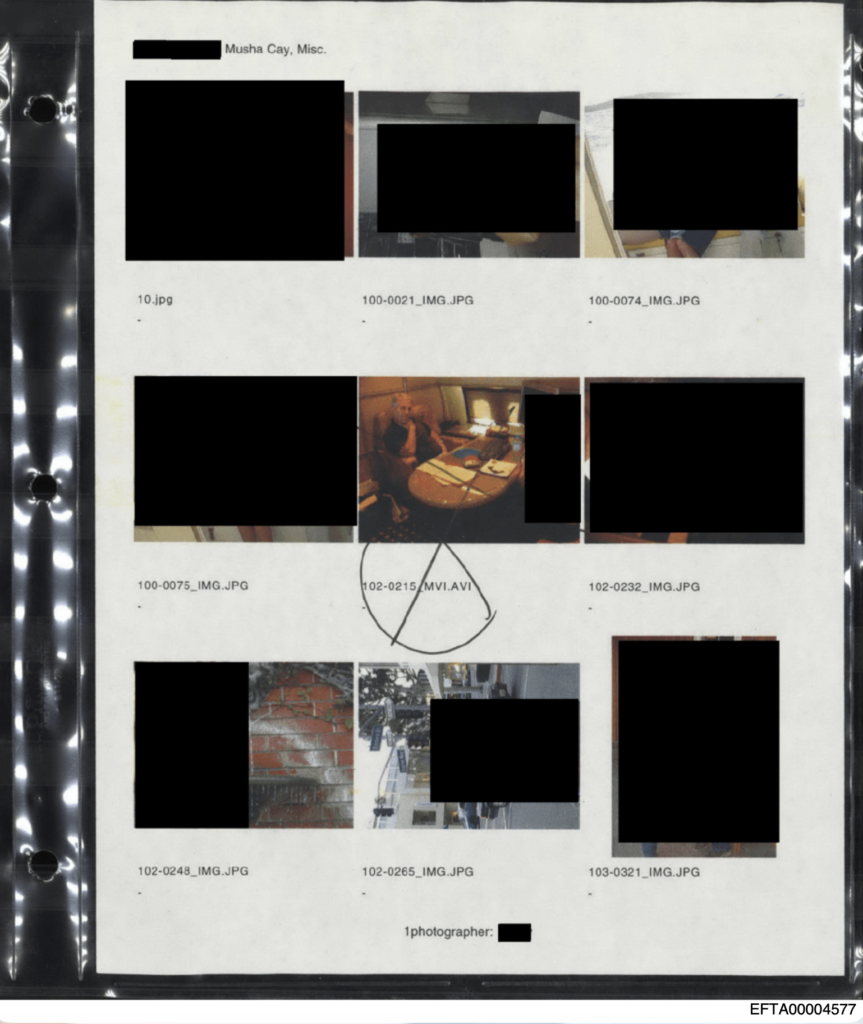
A heavily redacted photo contact sheet with convicted sex offender Jeffrey Epstein seen in the center image. This image was among the thousands of records on Epstein released by the DOJ on Friday, 12/19/2025.
~
Republican, Democratic, and Victims’ Perspectives
Republican Lawmakers: House Republican Rep. Thomas Massie, a cosponsor of the transparency law, blasted the initial release as falling short of legal requirements, saying Friday’s batch “fails to comply with both the spirit and the letter of the law.” Some Republicans also complained of website glitches and missing material, demanding clearer DOJ timelines.
Democratic Voices: Senate Democratic Leader Chuck Schumer said the documents released so far are “just a fraction” of what should be public and demanded explanations for redactions. Rep. Ro Khanna — the bill’s lead author — pressed for detailed justifications for every withheld page, warning the release “seems at very best incomplete.”
Victims and Advocates: Survivors and advocates condemned the DOJ for not fully complying with the law and for excessive secrecy. Attorney Gloria Allred and survivor organizers argued that the partial rollout represents continued institutional failure to deliver justice and transparency. Maria Farmer — one of the earliest accusers whose 1996 report to the FBI is now confirmed in the released files — said the documentation validates her claims and underscores how much remained hidden, according to The Guardian.
Opinion: Last night’s release of Epstein files, while expansive in nature, feels anti-climactic due to the partial scope of the release. The controversy over incomplete and heavily redacted material – and delays – ensures the files will remain a contentious political issue in Washington well beyond yesterday’s statutory deadline.
For more on yesterday’s partial release of the Epstein files, see the video below.
~
(Additional sources: CBS News, WAMC, Reuters)
Posted by Richard Webster, Ace News Today
Follow Richard on Facebook, Twitter & Instagram