





EPA moves to rollback limits on cancer-linked sterilization chemical ethylene oxide
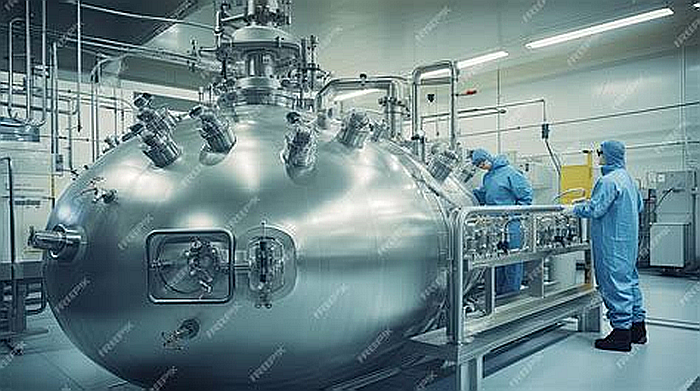
(Ethylene Oxide is a known cancer-causing gas widely used to sterilize medical equipment)
The U.S. Environmental Protection Agency (EPA) on March 13, 2026, proposed easing pollution limits on ethylene oxide (EtO), a chemical widely used to sterilize medical equipment, arguing that stricter regulations could threaten the nation’s supply of critical healthcare devices.
The proposed rule would amend a Biden administration regulation finalized in 2024 that sought to reduce EtO emissions from commercial sterilization facilities by roughly 90 percent. That earlier rule targeted nearly 90 sterilization plants across the United States and required companies to monitor emissions and install new pollution controls.
Ethylene oxide is a colorless gas used to sterilize about half of all medical devices in the U.S.—an estimated 20 billion items each year—including pacemakers, syringes, catheters, surgical gowns, ventilators and wound dressings. Because many devices are heat- or moisture-sensitive, EtO is often considered the only viable sterilization method.
EPA Administrator Lee Zeldin said the proposed changes aim to balance public health protections with the need to maintain a stable domestic supply chain for life-saving equipment.
“This proposed rule shows EPA’s strong commitment to protecting people’s health while maintaining a stable domestic medical supply chain,” Zeldin said, warning that the 2024 standards could force sterilization facilities to shut down or reduce output.
According to the EPA, the regulatory change could save the sterilization industry roughly $630 million over 20 years, while giving facilities more flexibility to comply with emission standards. The agency also plans to reconsider the scientific assumptions behind a 2016 EPA assessment that classified EtO as a human carcinogen at very low exposure levels.
Under the proposal, facilities could either install new continuous monitoring systems or comply with modified pollution-control requirements, particularly at sites that emit more than 10 tons of ethylene oxide annually.
~
Supporters of this proposal say that the supply of medical devices is at stake. Industry groups and some medical experts support the move, arguing that the Biden-era rule imposed requirements that were difficult or impossible for some facilities to meet within compliance deadlines.
The Advanced Medical Technology Association said sterilization plants play a vital role in ensuring hospitals have safe medical equipment and warned that tighter limits could disrupt access to essential healthcare products.
Federal officials have also noted that the previous rules forced the government to create a special exemption process in 2025 because certain facilities said they could not meet the standards while continuing operations.
Supporters argue that without reliable sterilization capacity, the U.S. could face shortages of devices used in surgeries, emergency care and infection prevention.
~
Critics warn of increased cancer and community health risks.Environmental organizations and public health advocates strongly oppose the rollback, saying the proposal could expose workers and nearby residents to dangerous levels of a known carcinogen.
Long-term exposure to ethylene oxide has been linked to cancers such as leukemia, non-Hodgkin’s lymphoma and breast cancer. The EPA first classified the chemical as a human carcinogen in 2016.
The American Lung Association called the proposed rule change unacceptable, citing research showing elevated cancer risks in communities located near sterilization facilities.
Environmental justice groups have also raised concerns that many EtO facilities are located near minority and low-income communities, increasing the potential health burden on already vulnerable populations.
In recent years, several facilities have faced lawsuits or closures after air monitoring revealed elevated ethylene oxide levels in surrounding neighborhoods. One major sterilization company shut down a plant near Chicago after emissions spikes were detected.
Critics also dispute the EPA’s claim that compliance with the 2024 rule was unfeasible, arguing that existing technologies can significantly reduce emissions without interrupting sterilization services.
~
Part of current administration’s’ broader environmental policy shift: The proposal comes amid a broader push by the Trump administration to roll back environmental regulations it considers costly or burdensome to industry. Recent actions have included easing limits on mercury pollution from coal plants and rescinding the federal government’s long-standing “endangerment finding” on greenhouse gases.
The EPA says the ethylene oxide proposal also aims to address legal concerns, arguing that the Biden-era rule exceeded the agency’s authority under the Clean Air Act by conducting an additional risk review beyond what the law requires.
~
What’s Next: The EPA will accept public comments on the proposal for 45 days after it is published in the Federal Register, and the agency plans to hold a virtual public hearing during that period. After reviewing public input and scientific data, the EPA is expected to decide later in 2026 whether to finalize the revised ethylene oxide emission standards.
~~~~~~~~~~~~~~~~~~~~~~~~~~~~~~~~~~~~~~~~~~~~~~~~~~~~
Trump’s environmental initiatives: Since returning to office in January 2025, Donald Trump has issued several executive orders and presidential actions aimed at reshaping environmental and energy policy, primarily focusing on deregulation.
Key Environmental & Energy Executive Orders (2025–2026)
- Unleashing American Energy (EO 14154): Focuses on deregulating domestic energy development (oil, gas, coal, nuclear) and orders a review of the EPA’s 2009 greenhouse gas “endangerment finding”.
- International Climate Actions: Directs withdrawal from the Paris Climate Agreement and halts funding for UN climate initiatives.
- National Energy Emergency: Leverages federal power to accelerate energy production and reviews the Endangered Species Act to remove development obstacles.
- Alaska Resource Development: Lifts drilling bans to prioritize oil/gas leasing in the Arctic National Wildlife Refuge (ANWR).
- Offshore Wind Pause: Suspends new offshore wind leasing and requires a review of existing projects’ impacts.
- State Policy Challenge: Targets state-level climate regulations, such as California’s emissions standards, for restricting energy production.
- Elimination of Environmental Justice Programs: Removes climate-focused, “environmental justice” roles within the EPA and other federal agencies.
- Regulatory Relief for Industry: Provides two-year exemptions for coal plants and manufacturers from certain emission standards.
- Permitting Reforms: Orders the EPA and Army Corps of Engineers to reduce restrictions on wetlands and waterways to lower construction costs.
Notable First-Term Orders (2017–2021)
- EO 13783 (2017): Initiated the review of the Clean Power Plan to promote energy independence.
- EO 13795 (2017): Implemented an America-First offshore energy strategy.
- EO 13807 (2017): Targeted streamlining of environmental review and permitting.
- EO 13868 (2019): Promoted energy infrastructure development.
~~~~~~~~~~~~~~~~~~~~~~~~~~~~~~~~~~~~~~~~~~~~~~~~~~~~
For more on the sterilization proves of ethylene oxide and some potential health risks associated with the chemical, see the video below.
~
(Sources: EPA.GOV, PBS News, Los Angeles Times, Ballotpedia, Holland & Knight )
(Cover photo, Image credit, X)
Posted by Richard Webster, Ace News Today
Follow Richard on Facebook, Twitter & Instagram