



Maryland will create a commission to study slavery reparations
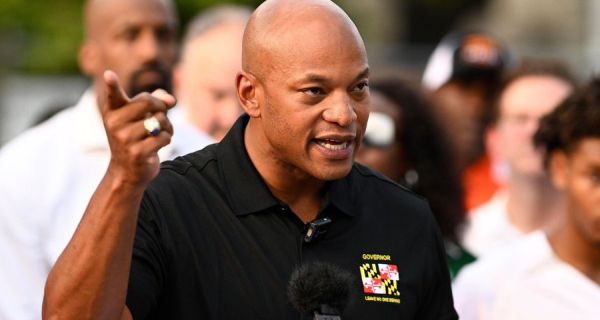
(Cover photo: MD Gov. Wes Moore)
(December 17, 2025) Maryland lawmakers on Tuesday moved the state into the national conversation on reparations by overriding Governor Wes Moore’s veto and approving creation of a commission to study potential slavery reparations for descendants of enslaved people and the lingering effects of racial discrimination.
The vote came during a special session that also saw lawmakers overturn scores of other vetoes, a show of force from a General Assembly that argued a formal, neutral study is the necessary next step before any concrete program is adopted. Supporters said a commission will gather evidence, estimate costs and propose legally viable paths — from direct payments and debt relief to educational and housing remedies — while opponents warned against more study and urged immediate action on targeted programs.
“History and law require us to study this carefully so our work will stand up in court and be durable,” one backer said on the House floor, reflecting the argument that careful analysis will make any eventual remedies more effective and defensible. The legislation’s backers include members of the Legislative Black Caucus, which has made reparations a top priority. ~ AP News
Moore — Maryland’s first Black governor — had vetoed the bill earlier in the year, saying in his veto message that the State does not need another study and that it was time to move directly into implementing remedies aimed at closing the racial wealth gap and improving outcomes for Black Marylanders. Moore acknowledged the urgency of addressing the legacy of slavery but expressed frustration that another study might delay tangible action.
That earlier veto set the stage for a high-stakes clash between the Governor and the legislature. Lawmakers countered that previous reports and pilot programs are not substitutes for a comprehensive, bipartisan commission with a statutory charge to examine who should qualify for reparations, what form reparations should take, and how any recommendations could be funded and legally sustained. The override underscores the legislature’s willingness to press its agenda even when it conflicts with the governor’s priorities, according to The Washington Post.
What the commission will study is broad: advocates have floated everything from targeted tax credits, tuition waivers and housing subsidies to one-time payments and programs to forgive certain types of public debt — options the commission is expected to analyze for feasibility, equity and legal risk. Critics say the focus should be on accelerating proven policies that raise homeownership and educational attainment rather than commissioning yet another review.
Nationally, Maryland’s move places the state alongside other localities and jurisdictions that have at least explored reparations frameworks in recent years, a task that has been unevenly adopted across the country and often contested in state and federal courts. Policymakers in Annapolis said the commission is intended to produce a roadmap — not immediate payouts — that future legislatures could act upon.
The override also came amid other leadership shifts in Annapolis: the House elected a new speaker during the special session, a change lawmakers say will shape how the report and any follow-up legislation are handled in the months ahead. Observers say the commission’s recommendations — when and if lawmakers accept them — will almost certainly become a defining test of Maryland’s approach to racial justice and economic policy in the coming years.
Moving forward, we can expect to see the commission summoninghistorians, economists, legal experts and community representatives to testify and make recommendations. Lawmakers and advocates said they expect heated hearings and a robust public process that will illuminate both moral and practical questions about reparations in a State with deep historic ties to slavery.
~
(Additional sources: ABC News, Fox 45 News Baltimore)
Posted by Richard Webster, Ace News Today
Follow Richard on Facebook, Twitter & Instagram