






Tag: JPL
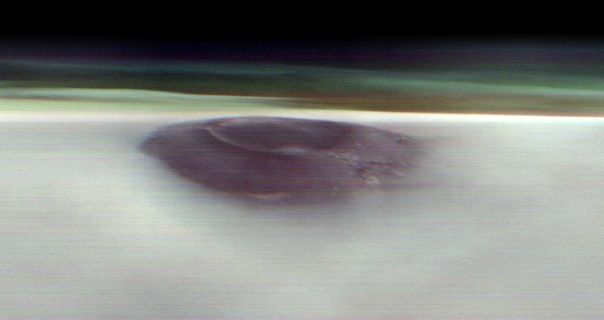
NASA Mars Orbiter catches image of volcano peeking above morning cloud tops
The 2001 Odyssey spacecraft captured a first-of-its-kind look at Arsia Mons, which dwarfs Earth’s tallest volcanoes.

NASA’s SPHEREx space telescope is now charting the positions of hundreds of millions of galaxies in 3D
The newly launched space observatory, SPHEREx, will snap millions of images in the next two years, and will map the entire sky in 3D

SpaceX launches NASA missions to study the Sun and the beginning of the universe
More on the two missions dubbed SPHEREx and PUNCH . . .

NASA’s JPL scientists assemble world’s greatest PDF Archive to aid in Internet malware research
8 million PDFs have been collected & stored by JPL data scientists into an archive to help researchers better understand online and malware threats, address privacy vulnerabilities, and identify software compatibility problems
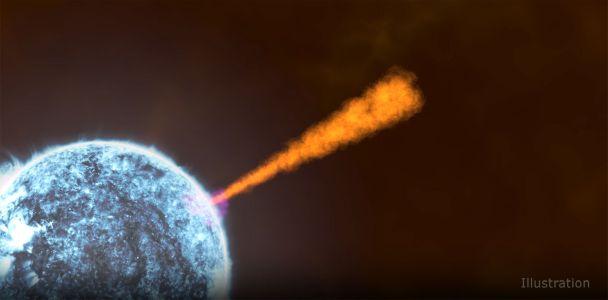
NuSTAR observatory detects brightest cosmic explosion ever, one with very unique attributes
Observations by NASA’s NuSTAR X-ray telescope give astronomers new clues about the brightest and most energetic gamma-ray burst ever detected
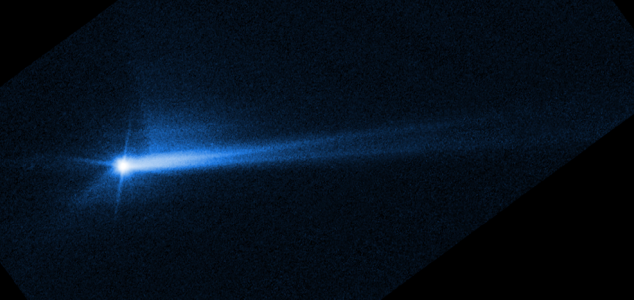
Confirmed: DART spacecraft successfully shifted asteroid’s orbit after crashing into it
NASA hoped the mission would alter the asteroid’s trajectory by at least 73 seconds, Data shows that the mission “surpassed this minimum benchmark by more than 25 times.”
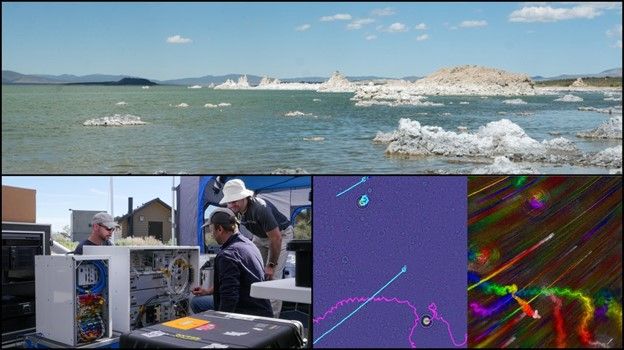
NASA’s Jet Propulsion Lab ramps up search for alien life in deep space
Are we alone in the universe?
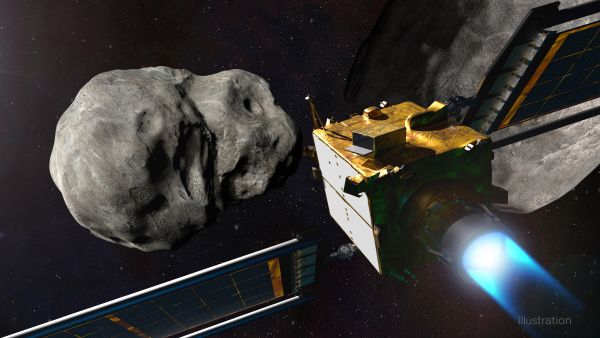
Averting Armageddon, NASA conducts first test to alter an asteroid’s trajectory
Live coverage of NASA’s DART spacecraft crashing into asteroid Dimorphos begins 3 p.m. PT / 6 p.m. ET via NASA TV on Monday, Sept. 26

NASA’s Voyager mission still exploring space after 45 years, but winding down
Launched in 1977, the twin Voyager probes are NASA’s longest-operating mission and the only spacecraft ever to explore interstellar space.
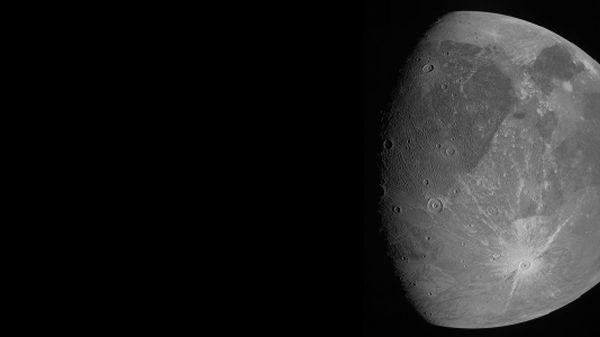
First images shown here of Jupiter’s largest moon, Ganymede, from NASA’s June 7 flyby
“This is the closest any spacecraft has come to this mammoth moon in a generation …”