







Digestive Health and Alzheimer’s: What medical professionals are saying about the connection

When we think about protecting our brains as we age, mental exercises, family history, and genetic predispositions often take center stage. But recent scientific discoveries suggest a surprising new player in the conversation: your digestive system. It may seem counterintuitive, but emerging research is revealing that supporting your gut health could be one of the most powerful ways to safeguard your brain.
What is the connection between digestive health and Alzheimer’s Disease?
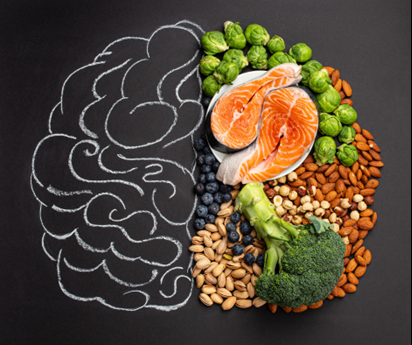
The Gut-Brain Axis: A Two-Way Street: Your brain and gut are in constant communication through what’s known as the gut-brain axis, with the vagus nerve serving as the main communication pathway. This connection helps explain why anxiety can cause digestive issues or why stress may impact your appetite or bowel habits.
More importantly, your gut microbiome—the trillions of bacteria living in your digestive tract—does far more than aid in digestion. These microbes influence immune response, regulate inflammation, and even help produce key neurotransmitters that impact mood, cognition, and neurological function. When this delicate ecosystem is disrupted, the resulting inflammation can extend beyond the gut, potentially affecting the brain as well.
Gut Health and Cognitive Decline: What the Research Shows: Recent studies are uncovering compelling links between gut imbalance and neurodegenerative diseases such as Alzheimer’s. Individuals with Alzheimer’s often exhibit markedly different gut microbiota compositions compared to those without the disease. Many also show signs of increased gastrointestinal inflammation and what clinicians refer to as “intestinal permeability” or “leaky gut.”
When the gut lining becomes compromised, harmful bacteria, toxins, and inflammatory molecules can seep into the bloodstream. This systemic inflammation may contribute to the accumulation of beta-amyloid plaques and tau proteins—hallmarks of Alzheimer’s and other forms of cognitive decline.
A Window of Opportunity for Prevention: What makes this connection especially promising is the timeline. Research suggests that disruptions in the gut may precede cognitive symptoms by years—even decades. That means the choices you make today regarding gut health could be shaping your brain health well into the future.

Though the gut-brain axis is still an evolving area of study, evidence increasingly points to dietary and lifestyle changes that support a healthy gut microbiome as also being beneficial for cognitive resilience.
~
Addressing Digestive Symptoms as a Preventive Measure: Persistent symptoms like bloating, constipation, or irregular digestion aren’t just inconvenient—they may be early warning signs that your gut is out of balance. Rather than dismissing these issues, it’s worth exploring what your body may be trying to tell you.
Advanced testing and a personalized approach to gut health can uncover hidden imbalances that might be contributing to fatigue, mental fog, and even mood disturbances. In this way, gut health becomes not only a cornerstone of digestive wellness—but a meaningful component of brain health as well.
A Holistic Approach to Lifelong Wellness: As science continues to uncover the profound connection between the gut and the brain, one message stands out: taking proactive steps today can have a long-term impact on your quality of life.

~
The medical professionals at Gastro MD are here to partner with you on this journey toward comprehensive wellness that honors the profound connection between your gut and your brain. The team there is committed to addressing not just symptoms but underlying causes, helping you take proactive steps toward both digestive and cognitive health.
Because true health isn’t just about addressing problems, it’s about preventing them before they begin.
~
For more on the intriguing link between gut health and Alzheimer’s disease, check out the study presented in the video below as conducted by researchers at UNLV.
~
(Sources: Dr. Donna Powell and Dr. Renee M. Marchioni Beery / Gastro MD)
Posted by Richard Webster, Ace News Today
Follow Richard on Facebook, Twitter & Instagram