






Travel expert warning: Avoid the five most common tourist scams on your fall getaway
Autumn has arrived, and as the evenings get darker earlier, many Americans are eager for a vacation trip to enjoy the fall colors – or to travel somewhere to escape the cold. Free walking tour platform GuruWalk has shared their top tips for recognizing and avoiding common travel scams when walking around popular tourist destinations from around the world this fall.
~
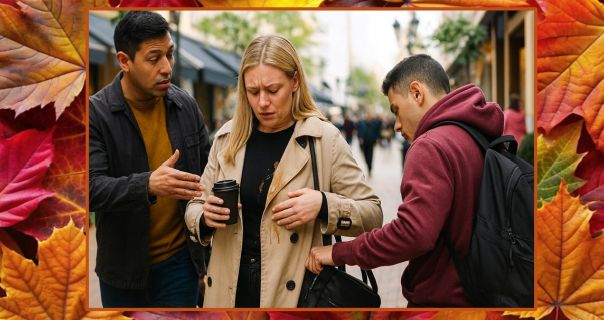
The ‘spilled drink’ scam: Pickpockets use a distraction technique in crowded areas where they splash something on your clothes or belongings. Usually, this is water, but sometimes ketchup or mustard.
The scammer or their accomplice will then make a fuss, offering to help clean it up. While you’re not paying attention, your valuables will be stolen from your pocket or bag. Be wary of strangers standing too close in a crowd or appearing overly eager to help.
Always secure your valuables in hard-to-access pockets or under clothing. In high-risk destinations, it’s recommended to have a decoy wallet with a small amount of cash in it.
Scammers are skilled at subtly unzipping bags and grabbing whatever’s on top while you remain none the wiser.
~
Fake booking scams: Scammers often operate in busy squares or transport hubs, targeting tourists hunting for deals on local tours, attractions, or transportation. While these areas are home to many genuine tourist vendors, not everyone can be trusted. Scammers may approach you as ‘friendly’ guides, offering exclusive deals or heavily discounted prices.
However, the booking will either not exist or turn out to be vastly different from what was promised. For example, the tour will only last half the duration or be overcrowded. Prices that seem too good to be true or are inflated based on overpromised extras like private boats or VIP entry are both red flags.
If you are concerned a vendor is a scam, check if they have a physical storefront or legitimate website, and always ask for official confirmation of your purchase. To be safe, it’s best to stick to known platforms where possible. Alternatively, ask your hotel or hostel for recommendations on who to book with.
~
Taxi overcharging scams: It can be tempting to hop in a taxi after a long day of walking or when you’re rushing to fit everything in on your itinerary, but it’s important to stay alert, as some drivers may try to scam you into overpaying. These scams target tourists who are unfamiliar with the local fares and directions.
They typically involve drivers pretending the meter is broken, so they can offer an overpriced flat fare, or intentionally taking detours to extend the route.
If possible, the best way to avoid falling victim to this type of scam is to simply walk from place to place. This way you also have the chance to soak up local sights that you might have missed otherwise. However, when the distance is too far, it’s safest to use official taxi ranks or book through a trusted app.
In case you find yourself in a position where this isn’t possible, you should check with your hotel or accommodation provider what the expected fare should be for the area. Red flags to watch for are no printed fare charts or drivers taking lots of unnecessary turns, especially on the way to a popular destination. Keep maps open on your phone to track the route and confirm they are following a standard route.
~
Free gift scams: Be cautious if you’re offered a free ‘gift’, such as a bracelet or rose, or asked to take photos with street performers if you aren’t willing to pay. These gestures may seem friendly or harmless, but the scammer will often expect money despite initially insisting the gift was free.
You might be handed a flower or have a bracelet tied to your wrist before you say no. Once you’ve received the item, they will demand payment. The scam relies on tourists feeling pressured or flustered in crowded spots and giving in to handing over their money.
You’re most likely to encounter this while walking around tourist hotspots or outside famous landmarks. To avoid being caught out, politely but firmly decline the offer and keep walking if someone approaches you.
~
Wrong change scams: Take time to familiarize yourself with the local currency once you arrive at your destination. Scammers take advantage of those who can’t quickly identify the value of coins and notes.
These scams are particularly common in busy settings, such as market stalls, street food vendors, or souvenir stands, where crowds of people are constantly walking by, making it easier to distract you.
You also tend to pay in cash and don’t ask for a receipt and therefore are less likely to notice. Scammers may count your change quickly to stop you from keeping track. If you do realize, they may claim you handed over a smaller bill if you question the amount. Whenever possible, use small bills to pay to limit the change being exchanged or pay by card.
Best wishes for a safe and happy fall season from Ace News Today!
And for even more information regarding travel scams, check out the video accompanying this article.
~
(Source: GuruWalk)
Posted by Richard Webster, Ace News Today
Follow Richard on Facebook, Twitter & Instagram