



Nationwide outcry: Thousands protest across U.S. after ICE Agent shoots, kills Minneapolis woman
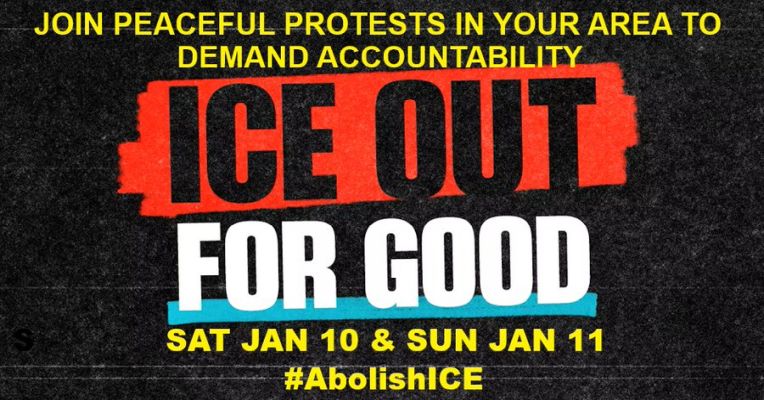
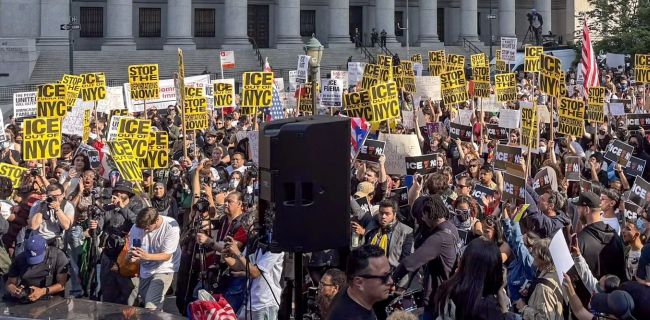
(January 11, 2026) In the wake of the January 7 fatal shooting of Renee Nicole Good — a 37-year-old U.S. citizen killed by a U.S. Immigration and Customs Enforcement (ICE) officer in Minneapolis, Minnesota — protests have spread rapidly across the United States, drawing tens of thousands of demonstrators demanding justice, accountability, and an end to aggressive federal immigration enforcement.
The Minneapolis rally on January 10, one of the largest gatherings, saw residents and activists march through downtown, condemning the shooting and broader ICE operations in the region. Organizers said the weekend’s events — branded “ICE Out for Good Weekend of Action” — include more than 1,000 protests nationwide in response not only to the Minneapolis killing but also a related incident in Portland, Oregon, where two people were wounded by federal agents.
Protesters across the country have voiced outrage over what they describe as a pattern of violence and abuse by ICE and other federal immigration enforcement authorities. Demonstrators argue that the fatal shooting of Good — captured in widely circulated footage — illustrates excessive force and a troubling lack of accountability within the agency. Many see the federal crackdown as part of a broader militarization of domestic law enforcement and a disregard for immigrant communities and civil rights.
Organizers and participants are calling for:
- Justice for Renee Nicole Good and a transparent, independent investigation into the shooting.
- The defunding, abolition or significant reform of ICE, a long-standing demand among immigrant rights advocates.
- An end to aggressive federal immigration enforcement operations in cities and communities nationwide.
Protests have taken place in blue and red cities, large and small, and across multiple states, with significant actions reported in: Minnesota, Texas, Pennsylvania, New York, Florida, Arizona, Connecticut, North Carolina, and beyond – with marches and vigils as part of the coordinated nationwide weekend of action.
Advocacy groups said events were planned or underway in all 50 states, with local chapters of organizations such as Indivisible and the ACLU mobilizing supporters.
Local and national politicians reacted strongly to the protests:
- Minneapolis Mayor Jacob Frey urged demonstrations to remain peaceful and accused fringe “agitators” of trying to incite violence, saying the federal government’s actions played into broader tensions.
- Minnesota Governor Tim Walz issued social media statements calling for peaceful expression and criticizing the deployment of federal officers, saying “Trump sent thousands of armed federal officers into our state, and it took just one day for them to kill someone.”
- In Oregon, Senators Jeff Merkley and Ron Wyden and several members of the state’s congressional delegation condemned federal enforcement tactics and urged peaceful protest amid the Portland incident’s fallout.
The White House and the Trump administration’s Department of Homeland Security have defended the ICE agents, asserting that the shootings in both Minneapolis and Portland were acts of self-defense, saying that drivers “weaponized” their vehicles against officers during enforcement operations. Homeland Security Secretary Kristi Noem has helped spark the public outcry with many of her statements which are considered by many to be untrue.
She also characterized Good’s conduct as “weaponizing her vehicle” by allegedly trying to run over ICE officers, framing the encounter as a dangerous escalation before shots were fired. Video footage of the shooting appears to prove otherwise.
Noem has strongly defended the ICE agent’s actions, saying the officer acted in self-defense when he shot Good during an enforcement operation. She reiterated that he followed his training and perceived a threat from Good’s vehicle. Noem and DHS issued statements immediately after the shooting calling what happened “an act of domestic terrorism” against federal officers, using that language to justify the response and warn against any future interference with ICE operations.
As anti-ICE demonstrations continue into January 11 and beyond, activists signal that protests could become a sustained movement, bridging local grievances with nationwide demands for immigration reform and oversight of federal enforcement agencies. Politicians on both sides of the aisle warn that how authorities and community leaders handle the situation in the coming days could have significant implications for public trust and national politics heading into the 2026 election cycle.
As outrage continues to spread, and for more on the 1000+ anti-ICE demonstrations being planned across the country, see the video accompanying this article.
~
(Sources: Reuters. The Guardian, The Washington Post, Al Jazeera, Military.com, WRAL)
Posted by Richard Webster, Ace News Today
Follow Richard on Facebook, Twitter & Instagram