




Egypt uncovers remarkably preserved Byzantine-era desert city frozen in time
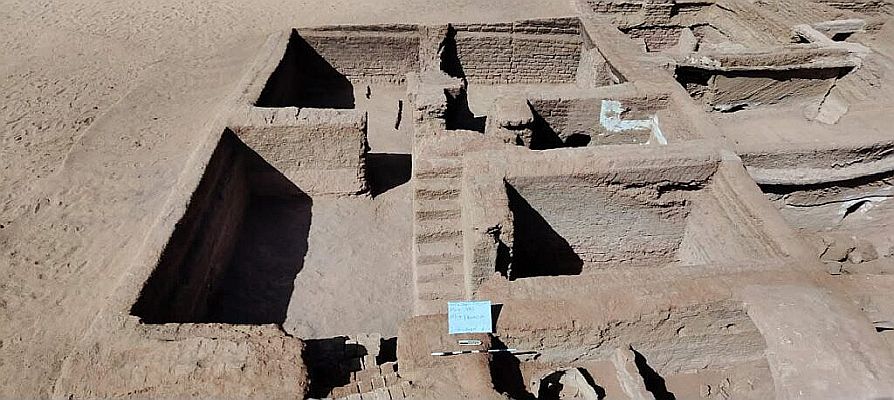
CAIRO – Egyptian archaeologists have uncovered a remarkably well-preserved Byzantine-era residential city buried beneath the sands of the Dakhla Oasis, revealing an extraordinary snapshot of daily life more than 1,600 years ago in one of the country’s most significant archaeological discoveries in recent years.
Announced by Egypt’s Ministry of Tourism and Antiquities on July 4, the excavation at the Ain El-Sabeel site in the Western Desert exposed an organized fourth-century settlement complete with broad streets, public squares, fortified defenses, homes, and a large basilica church dating to the mid-fourth century A.D., when Egypt formed part of the Byzantine Empire.
Researchers said the city was carefully planned, with north-south avenues intersecting east-west streets to create an orderly urban layout. Two watchtowers and thick defensive walls protected the settlement, while excavations revealed residential buildings featuring vaulted ceilings, reception halls, kitchens, bread ovens, and stone grinding tools used for food production.
Among the most notable structures were homes believed to have belonged to early Christian leaders. Archaeologists identified the residence of a church deacon known as Tisous, as well as another house believed to have served as an early “house church” before construction of the city’s larger basilica, illustrating the growth of Christianity in the region during the fourth century.
The discovery also produced a wealth of artifacts that illuminate the settlement’s economy and everyday life. Excavators recovered bronze coins bearing portraits of Byzantine emperors, Latin inscriptions, and Christian symbols, along with gold coins minted during the reign of Roman Emperor Constantius II, who ruled from A.D. 337 to 361.
Perhaps even more revealing were nearly 200 inscribed pottery fragments, or ostraca, written in Greek and Coptic. The ancient texts document commercial transactions, personal correspondence, and other routine activities, providing historians with an unusually detailed record of life in a remote desert community.
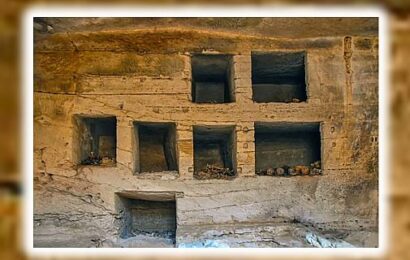
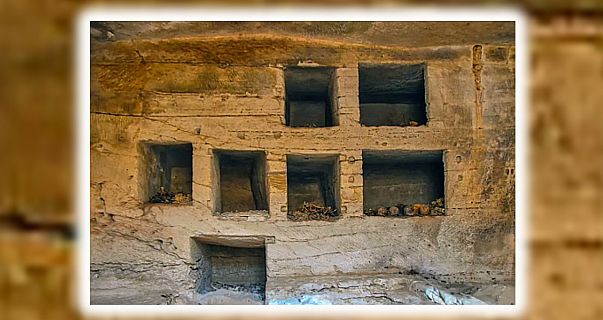
In a separate discovery near the Mediterranean coast at Marina el-Alamein, archaeologists uncovered 18 additional ancient tombs, increasing the site’s known total to 48. Finds included rock-cut and limestone tombs, a 2.5-meter granite sarcophagus containing skeletal remains, fragments of a plaster sphinx statue, and four examples of the so-called “golden tongue” burial tradition, in which gold pieces were placed inside the mouths of the deceased as part of ancient funerary beliefs.
Egyptian officials say the discoveries not only deepen scholars’ understanding of Byzantine and Greco-Roman Egypt but also strengthen the country’s booming tourism industry. Egypt welcomed a record 19 million visitors in 2025, with tourism continuing to rebound as interest in the nation’s unparalleled archaeological heritage grows worldwide.
Video:
~
(Sources: ABC News, AP News, The Independent, Egypt Independent)
Posted by Richard Webster, Ace News Today
Follow Richard on Facebook, Twitter & Instagram