
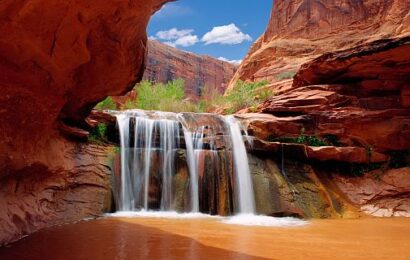





Trump slashes Utah National Monuments by 90%, reigniting environmental and land conservation battles while destroying sacred tribal sites
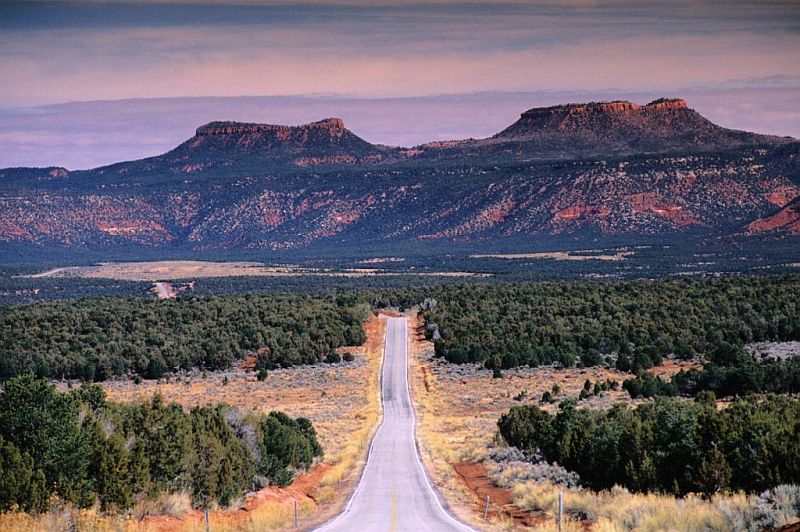
(Bears Ears contains more than 100,000 ancestral sites, including
cliff dwellings, rock art, and burial grounds that Tribes fought for generations to protect)
Trump has once again redrawn the map of America’s public lands, signing proclamations that slash the size of Utah’s Bears Ears and Grand Staircase-Escalante national monuments by roughly 90% each—a decision that has reopened one of the nation’s most enduring battles over conservation, tribal heritage and commercial development.
The White House says the action restores “sensible land management” by limiting monument boundaries to what officials argue is the minimum acreage required under the Antiquities Act to protect historic and scientific sites. The administration contends the change will reopen surrounding federal lands to grazing, logging, hunting, infrastructure projects, motorized recreation and responsible energy development while preserving key archaeological and historic resources.
Supporters, including Utah Gov. Spencer Cox and other Republican leaders, argue the original monument designations extended far beyond what Congress intended when it passed the Antiquities Act in 1906. They say reducing the monuments returns access to local communities and allows balanced use of taxpayer-owned lands without sacrificing significant cultural artifacts.
Yet for many conservationists, archaeologists and Native American tribes, the decision represents something far more troubling than a boundary adjustment.
That’s 3 million acres of treasured land — nearly the size of Yellowstone and Yosemite combined — now open to mining and drilling.
Bears Ears was established in 2016 following years of advocacy by a coalition of five tribal nations, becoming the first national monument created at the direct request of Native American tribes. The region contains ancestral villages, ceremonial sites, cliff dwellings, petroglyphs, burial grounds and landscapes woven into tribal history, religion and identity. Grand Staircase-Escalante, designated in 1996, protects spectacular canyon country and one of the world’s richest dinosaur fossil regions.
Critics argue that these places cannot be separated into isolated archaeological “objects” surrounded by land opened for commercial use. They contend the landscapes themselves hold historical, spiritual and scientific value, and that shrinking monument boundaries exposes surrounding areas to mining, drilling and other development that could permanently alter fragile ecosystems and culturally significant terrain.
Navajo Nation citizen and Bears Ears Inter-Tribal Coalition co-chair Davina Smith-Idjesa described Bears Ears as “a living cultural site” rather than simply federal land, saying it preserves generations of history, ceremonies, traditional medicines and the footprints of ancestors. Conservation organizations have also signaled plans to challenge the proclamations in court.
The debate ultimately extends beyond Utah. It raises a broader question about the purpose of America’s public lands. Should federally protected landscapes primarily serve economic development and resource extraction, or should they preserve entire ecosystems and cultural landscapes for future generations?
Economic development undoubtedly plays an important role in rural communities, and supporters argue that responsible energy production, grazing and recreation can coexist with historic preservation. But opponents counter that once sacred landscapes are fragmented or industrialized, their cultural integrity and scientific value cannot simply be restored.
For many Americans, the concern is not merely about acreage. It is about whether places considered sacred by Indigenous peoples—and treasured by millions of visitors—should be viewed primarily through the lens of commercial opportunity.
What’s Next? Legal challenges are expected almost immediately as tribal organizations and environmental groups seek to overturn the new proclamations. Federal courts will likely once again be asked to determine how much authority presidents have under the Antiquities Act to reduce existing national monuments. Until those cases are resolved, the future management of Bears Ears and Grand Staircase-Escalante will remain at the center of one of America’s most consequential public lands disputes.
Video:
~
(Sources: The White House- Fact Sheet, Reuters, Fox News, AP News)
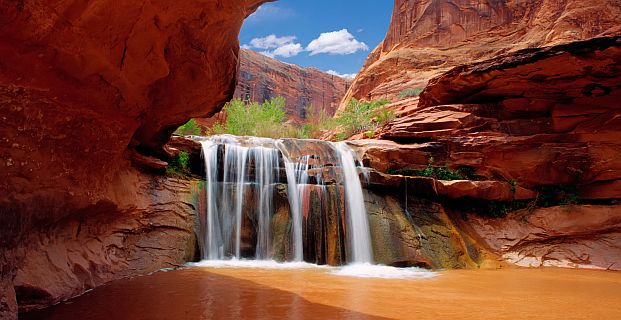
(Cover photo: Grand Staircase has produced dinosaur species that exist nowhere else on earth and were unknown to science until paleontologists pulled them out of that rock)
Posted by Richard Webster, Ace News Today
Follow Richard on Facebook, Twitter & Instagram