






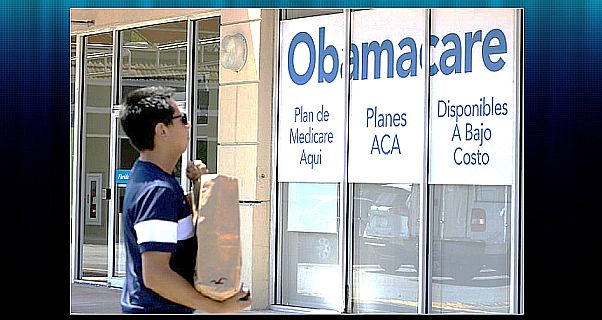
Millions of Americans priced out of Affordable Care Act as subsidies expire and health costs climb
About 3 million fewer Americans were enrolled in Affordable Care Act (ACA) marketplace health insurance plans by February 2026 compared with the same period a year earlier, according to newly released federal data. Health policy experts largely attribute the decline to higher insurance premiums following the expiration of enhanced federal subsidies.
The enrollment decline marks one of the most significant shifts in the ACA marketplace in recent years and has intensified the national debate over healthcare affordability ahead of the November midterm elections.
~
Government Changes That Began in 2025: The changes stem from legislation and regulatory actions implemented beginning in 2025 under the currtent Donald Trump’s administration and a Republican-controlled Congress. Among the most significant were provisions contained in the One Big Beautiful Bill Act (OBBBA), along with the decision not to extend enhanced ACA premium tax credits that had been introduced during the COVID-19 pandemic.
The policy changes included:
- Expiration of enhanced ACA premium subsidies, increasing monthly insurance costs for many marketplace consumers.
- Shorter ACA Open Enrollment periods and stricter eligibility and verification requirements.
- New restrictions affecting some immigrant populations, including DACA recipients.
- Changes allowing higher deductibles and out-of-pocket costs in certain private health plans.
- Reductions in Medicaid funding and reimbursement changes affecting many healthcare providers.
Supporters of the reforms argued they would reduce federal spending, strengthen oversight of taxpayer-funded programs, curb fraudulent enrollments, and encourage greater competition in the private insurance market.
Critics counter that the policies have made health insurance less affordable for many working Americans and reduced access to care.
~
Social Effects Emerging Nationwide: Health policy researchers say rising premiums have led many families, freelancers, gig workers, farmers, and self-employed Americans to drop their insurance because monthly costs became unaffordable.
Medical experts warn that losing coverage can have broader public health consequences, including:
- Fewer preventive screenings and vaccinations.
- Delayed diagnosis of cancer and chronic illnesses.
- Patients skipping medications or physician visits because of cost.
- Increased use of emergency departments for untreated medical conditions.
- Greater financial pressure on hospitals providing uncompensated care.
- Potential increases in future insurance premiums if healthier individuals leave the insurance market.
~
Who Has Been Most Affected? The largest impact has fallen on Americans who purchase insurance through the ACA marketplace but do not receive employer-sponsored health coverage.
Groups frequently cited by analysts include:
- Self-employed workers
- Independent contractors and gig workers
- Farmers and ranchers
- Small business owners
- Part-time employees
- Early retirees not yet eligible for Medicare
Many affected consumers have either dropped coverage entirely, switched to lower-premium plans with higher deductibles, or sought alternative insurance options.
~
Alternatives Available: Americans facing higher ACA costs may consider several alternatives depending on eligibility:
- Employer-sponsored health insurance.
- Medicaid, for those who qualify under state eligibility rules.
- Medicare, for eligible seniors and certain disabled individuals.
- Short-term limited-duration health insurance, where available.
- Health-sharing ministries or other non-ACA coverage options, although these generally provide fewer consumer protections.
- Remaining enrolled in ACA plans while selecting lower-cost, higher-deductible coverage.
Each option carries different costs, benefits, eligibility requirements, and levels of consumer protection.
~
A Continuing Political Debate: Whether the changes are viewed as beneficial depends largely on policy priorities.
Supporters argue the reforms improve fiscal discipline, reduce government spending, strengthen program integrity through anti-fraud efforts, and encourage a more market-driven healthcare system. Opponents argue the expiration of enhanced subsidies has priced millions of Americans out of health insurance, increasing the number of uninsured people and potentially worsening long-term public health outcomes.
~
Federal data released this week estimate ACA enrollment at approximately 19.2 million people in February 2026, down from more than 22 million during the previous year. Some analysts expect enrollment could decline further if affordability challenges persist.
As healthcare costs remain a top concern for many voters, the future of the Affordable Care Act and federal healthcare subsidies is expected to remain a central issue in the national political debate.
Video:
~
(Sources: AP News, Fortune, Forbes, The Hill, AMA, Harvard Kennedy School, Johns Hopkins, Center for American Progress)
Posted by Richard Webster, Ace News Today
Follow Richard on Facebook, Twitter & Instagram