




Taylor Swift moves to trademark her voice and image in new fight against AI deepfakes
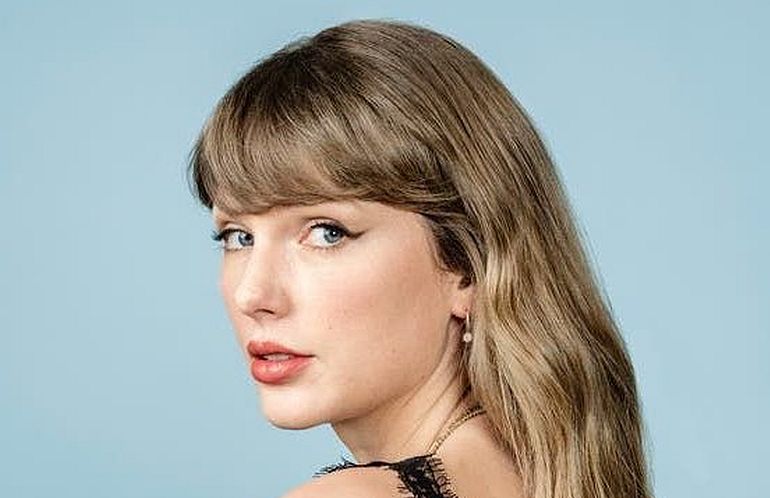
Singer / song writer Taylor Swift is taking unprecedented legal and technical steps to safeguard her voice and likeness from the growing threat of artificial intelligence, filing new trademark applications that could reshape how celebrities combat deepfakes.
According to reports from CNN, The BBC and NBC News, the global pop star submitted three filings with the U.S. Patent and Trademark Office on April 25: two for audio clips of her speaking and one for a signature onstage image from her Eras Tour. The filings notably include “sound marks,” a relatively uncommon form of trademark protection historically used for recognizable brand audio cues.
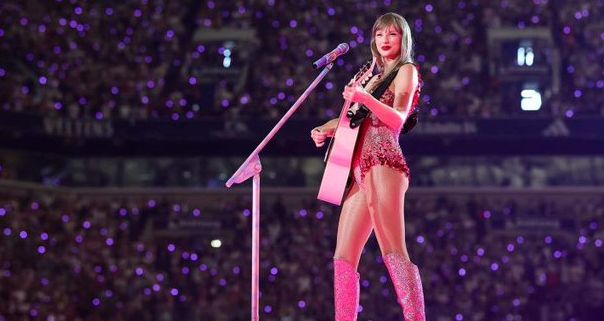
In the clips, Swift introduces herself while promoting her album The Life of a Showgirl, phrases that legal experts say could serve as a baseline to challenge AI-generated imitations that sound “confusingly similar.” The image application centers on a widely recognized performance look—Swift in a sequined bodysuit playing a pink guitar—potentially allowing her to contest AI-generated visuals that closely mimic the scene.
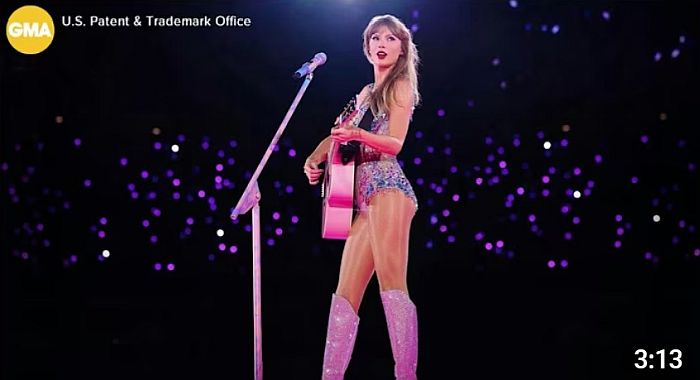
The move reflects mounting concern across the entertainment industry as AI tools increasingly produce realistic but unauthorized content. Swift has been a frequent target, with deepfakes ranging from misleading endorsements to explicit imagery circulating online, and even manipulated political content falsely depicting her views.
Trademark attorneys note that traditional copyright law often falls short in addressing AI-generated works that imitate a person’s voice or appearance without directly copying existing material. By contrast, trademark protections could give Swift stronger legal footing to pursue claims against impersonations that create consumer confusion.
While Swift has filed hundreds of trademarks throughout her career to protect her brand, this marks one of her first attempts to secure rights over her spoken voice. Experts say the strategy—also recently pursued by actor Matthew McConaughey—could signal a broader shift as public figures seek new defenses in the AI era.
The filings have yet to be tested in court, but they underscore a rapidly evolving legal frontier, where the boundaries of identity, ownership and technology are still being defined. For more on Swift Taylor Swift filing multiple trademark applications to protect herself, her music, and her voice from the potential evils of AI, check out the video below.
~
Posted by Richard Webster, Ace News Today
Follow Richard on Facebook, Twitter & Instagram