
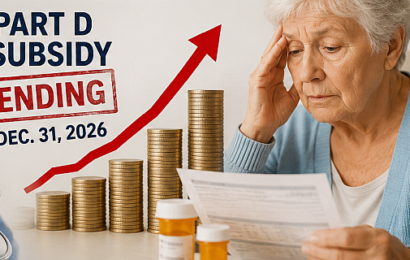




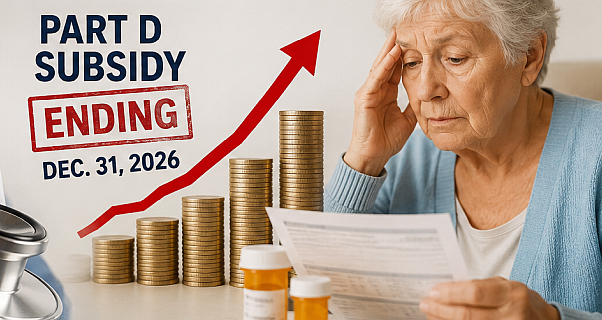
Trump administration to end Medicare Part D Premium Subsidy, raising costs for vulnerable seniors
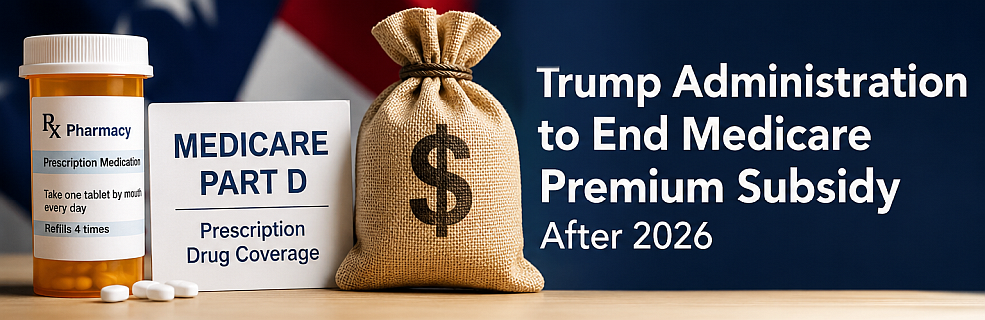
(Trump administration will end the Medicare Part D subsidy after 2026, raising concerns over higher drug plan premiums for millions of seniors beginning 2027)
The Trump administration has announced it will end a Medicare Part D premium stabilization program at the close of 2026, bringing to an end a federal subsidy that has helped keep prescription drug insurance premiums lower for millions of older Americans.
The program, known as the Part D Premium Stabilization Demonstration, was launched in 2025 after changes made by the Inflation Reduction Act significantly altered how Medicare prescription drug plans are financed. The initiative provided billions of dollars in federal payments to private insurers to prevent sudden premium spikes while insurance companies adjusted to the redesigned Medicare Part D benefit.
According to the Centers for Medicare & Medicaid Services (CMS), the program will expire at the end of the 2026 contract year because insurers now have enough experience with the updated system to accurately price their plans without additional government assistance. CMS Administrator Mehmet Oz said the subsidy had become an unnecessary “bailout” for insurance companies and that the administration is returning the market to normal conditions.
Medicare Part D is the optional portion of Medicare that helps pay for prescription medications through private insurance plans approved by Medicare. Nearly 25 million Americans are enrolled in stand-alone Part D prescription drug plans.
For many beneficiaries, the biggest question is whether the change will increase monthly costs. The answer depends on the individual plan. Administration officials estimate that about one-quarter of enrollees will see premiums remain the same or decrease, while many others could experience increases of less than $10 per month. However, roughly 45% of enrollees may see increases generally ranging from $11 to $20 per month, although final premium amounts will not be announced until September.
Importantly, the change does not eliminate Medicare Part D coverage or the program’s annual cap on out-of-pocket prescription drug costs. It only ends the additional federal payments that helped stabilize premiums paid to participating insurance companies.
Supporters of the decision argue the subsidy distorted the marketplace by encouraging insurers to raise premiums because the federal government was absorbing much of the additional cost. The administration also points to continued efforts to reduce prescription drug prices through other policies.
Critics, however, say even relatively small premium increases could be difficult for seniors living on fixed incomes. Consumer advocates warn that an additional $10 to $20 each month could force some beneficiaries to make difficult financial choices between medications and other household expenses.
Whether ending the subsidy is ultimately viewed as beneficial or harmful depends largely on perspective. Supporters see it as ending a costly temporary government intervention and allowing market competition to resume. Opponents argue that removing federal support risks making prescription drug coverage less affordable for vulnerable seniors. The full impact will not be known until insurers release their 2027 plan premiums later this year.
The subsidy officially expires December 31, 2026, with the changes taking effect for 2027 Medicare Part D plans. Beneficiaries will learn their specific premium amounts when CMS releases final plan information during the annual Medicare enrollment season this fall.
Video:
~
(Sources: MSN, ABC News, Yahoo! Finance, Bloomberg, Newsweek)
Posted by Richard Webster, Ace News Today
Follow Richard on Facebook, Twitter & Instagram